


Foxtails in Dogs and Cats: Symptoms Every Pet Owner Should Know
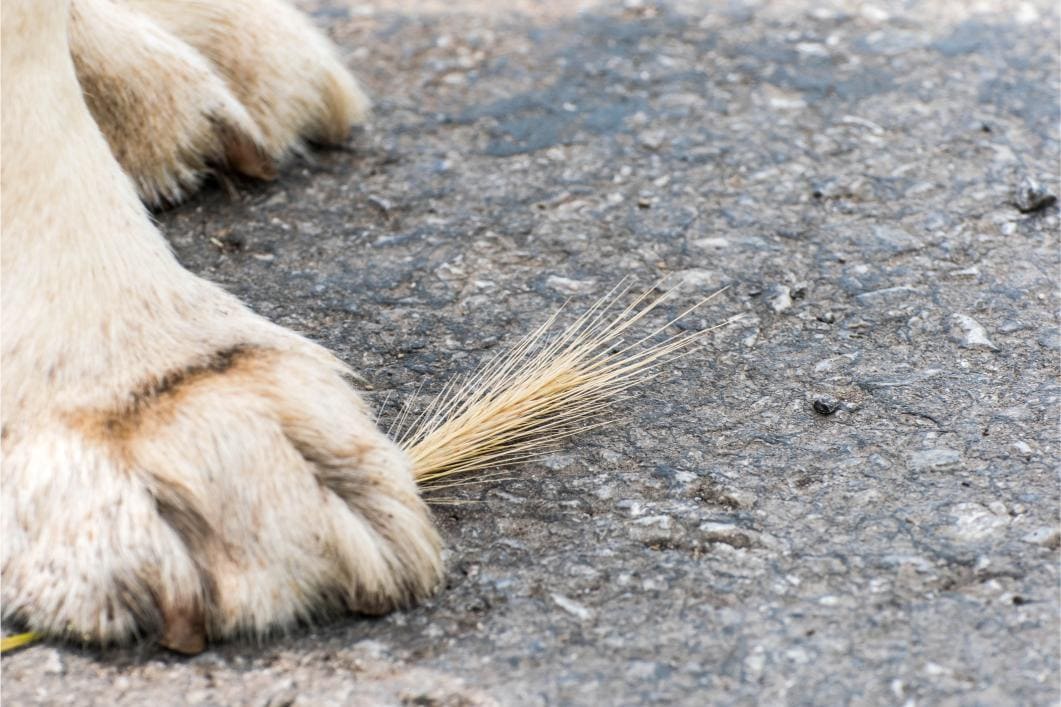
Foxtails may look soft, wispy, and harmless, swaying in the summer breeze, but don’t let the fluffy facade fool you. These tiny grass awns are basically nature’s barbed darts—designed to travel in one direction and stubbornly keep going. For pets, that can spell serious trouble.
At Bowman Veterinary Hospital, we see countless cases of grass awn injury in pets, especially in adventurous dogs and curious outdoor cats who charge enthusiastically into fields, trails, and tall grass without a second thought.
Why Foxtails Are So Dangerous
Unlike ordinary plant debris, foxtails don’t simply fall off. Their barbed shape allows them to burrow deeper into skin, ears, noses, paws, and even internal tissues—like a tiny botanical hitchhiker with no boundaries. Once a foxtail in the nose of a dog (or other body part) gets embedded, it can cause infection, inflammation, pain, and significant damage if left untreated.
Foxtail in Dog Symptoms: What to Watch For
The signs vary depending on where the foxtail enters the body. Symptoms often appear quickly after outdoor activity, especially hikes or walks through dry grassy areas.
Common foxtail in dog symptoms include:
- Sudden limping
- Excessive licking or chewing
- Swelling or redness
- Sneezing fits
- Head shaking
- Eye squinting or discharge
Foxtail Dog Paw Infection
One of the most common problems veterinarians see is a foxtail dog paw infection.
Foxtails frequently wedge themselves between the toes, where they continue burrowing beneath the skin. And since the entry hole can be tiny or hidden beneath fur, it’s difficult to spot them at home.
Warning signs include:
- Limping or favoring one paw
- Swollen toes
- Drainage or oozing sores
- Constant licking at the foot
Foxtail in the Nose of Dog: A Sneaky Emergency
When a dog has a foxtail in the nose, it can become dramatic very quickly, and veterinary removal is usually necessary.
Dogs with nasal foxtails often experience:
- Sudden violent sneezing
- Pawing at the nose
- Bloody nasal discharge
- Difficulty breathing
Cats Aren’t Immune, Either
Although dogs are more commonly affected, outdoor cats can also suffer grass awn injury in pets. Foxtails may become lodged in paws, ears, eyes, or under the skin, sometimes causing abscesses that seem to appear mysteriously. Cats, of course, tend to respond by pretending absolutely nothing is wrong while secretly making terrible decisions in shrubbery.
Prevention Tips for California Pet Owners
Foxtail prevention starts with awareness:
- Avoid tall, dry grassy areas whenever possible.
- Check your pet’s paws, ears, nose, and coat after walks.
- Keep fur between paw pads trimmed.
- Remove foxtails from your yard promptly.
When to Call Your Veterinarian
If you suspect a grass awn injury in pets, prompt treatment matters. The team at Bowman Veterinary Hospital can locate and safely remove embedded foxtails before they cause more serious complications. Please contact us at (530) 823-6306 if you spot any foxtail in dog symptoms or if your pet is due for a checkup.