


Weight Loss in Cats: Why It’s Almost Always a Red Flag
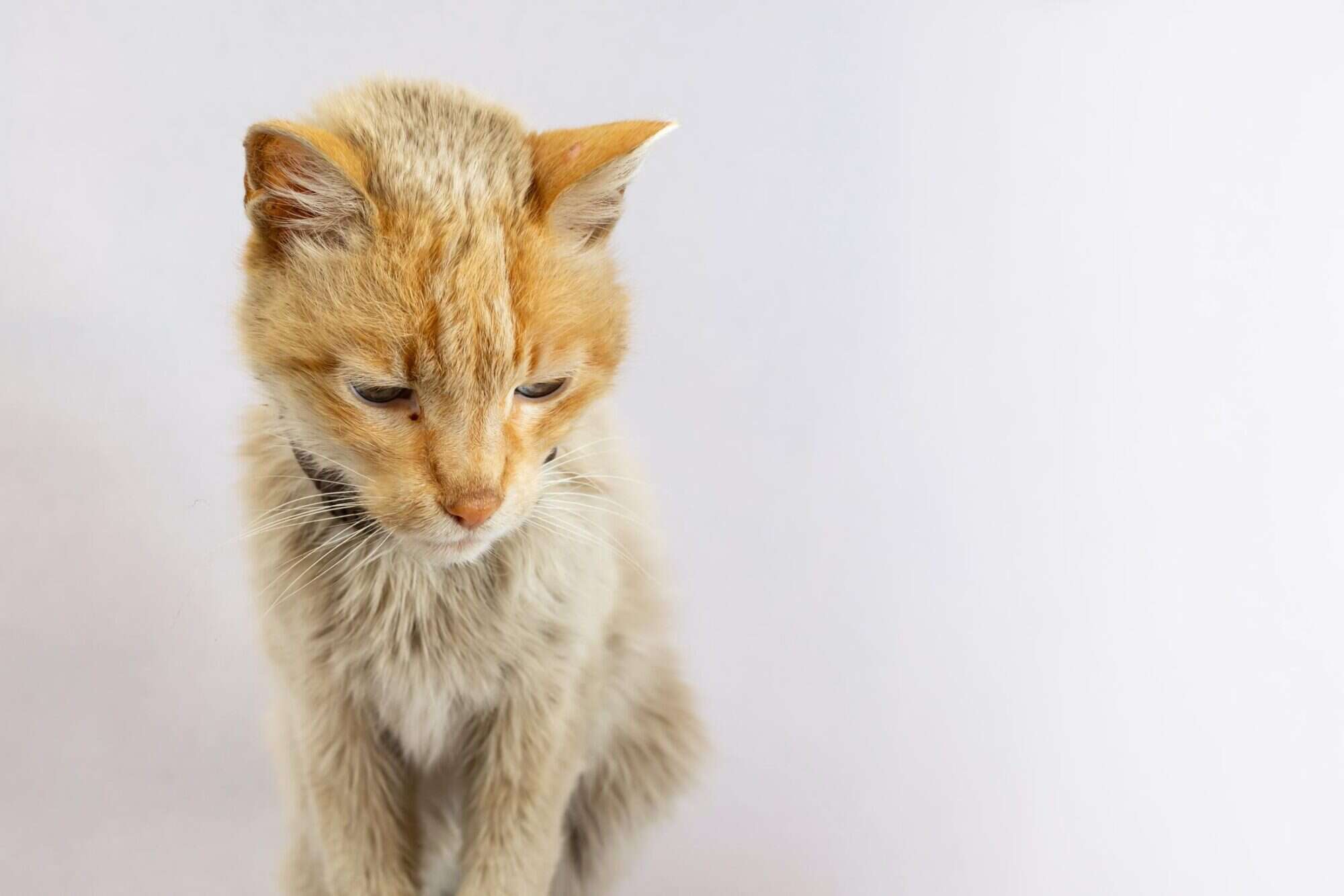
Cats are masters of mystery. They nap peacefully, eat politely, and often hide discomfort with impressive skill. That’s why weight loss in cats—especially when it happens quietly—deserves close attention. If your cat is losing weight but eating, it’s rarely “just a phase,” and almost always a signal that something deeper is going on.
In fact, unexplained weight loss is one of the most important warning signs veterinarians see in feline patients.
Why Weight Loss Matters Even in Subtle Amounts
Unlike dogs, cats are meant to maintain a fairly steady body weight throughout adulthood. Even small changes can be meaningful. Because cats are so good at masking illness, weight loss is often one of the first visible clues that their internal balance is off.
Pet parents may notice:
- A lighter feel when picking up their cat
- A more prominent spine or hips
- Thinning muscle along the back
- A cat that eats well—or even more than usual—but still loses weight
That last point is especially important.
Cat Is Losing Weight but Eating? Here’s Why
When a cat is losing weight but eating normally (or ravenously), metabolic or hormonal conditions are often involved. Two of the most common cat weight loss causes fall into a familiar comparison: hyperthyroidism vs. diabetes in cats.
Hyperthyroidism (more common in senior cats) occurs when the thyroid gland produces too much hormone, speeding up the body’s metabolism. Cats with this condition often:
- Lose weight despite a strong appetite
- Act restless or vocal
- Drink more water
- Have vomiting or diarrhea
Diabetes, on the other hand, affects how the body processes sugar. Diabetic cats may:
- Lose weight even while eating well
- Drink and urinate more than usual
- Seem lethargic or weaker
- Develop changes in gait over time
While these conditions are very different, they share one key sign: unexplained weight loss.
Other Causes Worth Investigating
Not all weight loss points to the same diagnosis. Other potential cat weight loss causes include dental disease, gastrointestinal disorders, kidney disease, cancer, and chronic infections. That’s why weight loss should never be monitored passively or attributed solely to aging.
Early detection makes a tremendous difference in treatment success and quality of life.
When to Schedule a Veterinary Visit
Weight loss isn’t just a number on the scale; it’s a whisper that deserves to be heard, investigated, and addressed with care. If your cat has lost weight, especially without a change in appetite, it’s time for a veterinary exam. A proper diagnosis is important for creating a tailored treatment plan, particularly when it comes to hyperthyroidism vs. diabetes in cats.
At Bowman Veterinary Hospital, we will use a thorough physical exam, lab testing, and other diagnostics to uncover the cause of your feline companion’s weight loss. Contact our team today at (530) 823-6306.