


Why Is My Cat Hiding More? Behavioral Change That Can Signal Illness
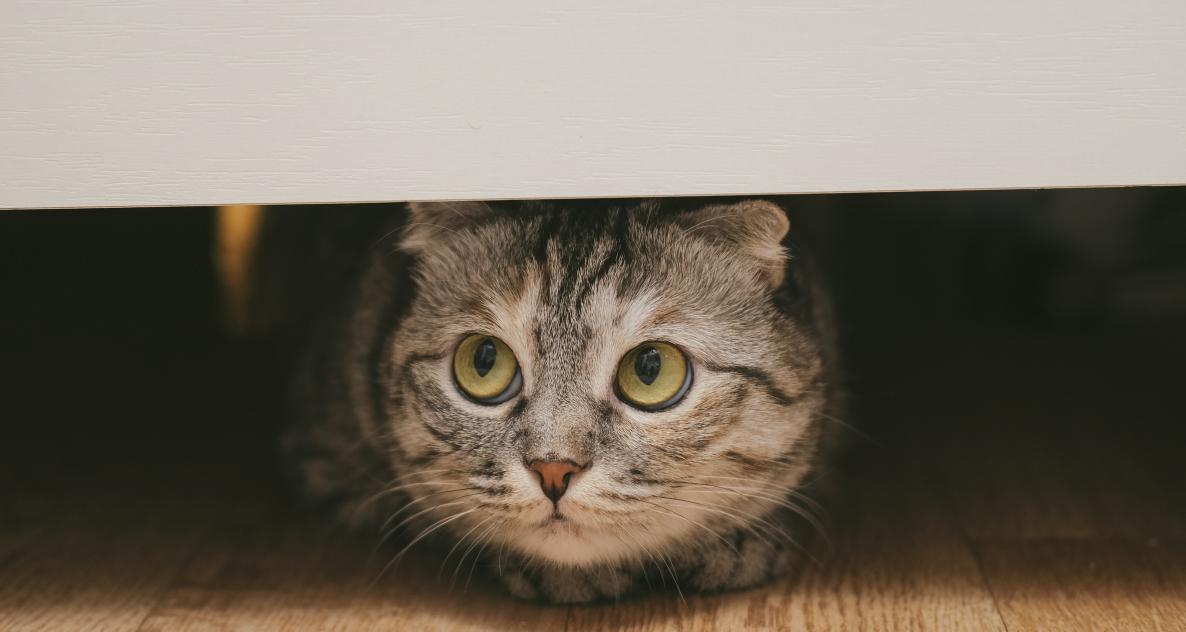
Cats are champions of cozy corners. A quiet closet, a sunny windowsill, or a favorite box can feel like a private paradise. But when cat hiding behavior suddenly increases, especially in a normally social pet, it can be more than a quirky preference. It may be your cat’s subtle way of signaling that something is wrong.
In this blog, our team at Bowman Veterinary Hospital explores why sudden behavior changes in cats can hint at trouble and when to respond with prompt veterinary care.
Harmless Hiding vs. Concerning Behavior
Many cats naturally seek solitude from time to time. New visitors, loud noises, or changes in routine can send even confident cats searching for a safe retreat. In these situations, hiding is typically temporary, and your cat returns to their regular routines once the environment settles.
Sudden behavior changes in cats without an obvious cause, however, are worth a closer examination. If your pet begins spending most of the day tucked away, avoiding interaction, or skipping favorite activities, it may point to discomfort or illness.
Sick cat hiding is common because cats instinctively conceal vulnerability. In the wild, appearing weak can attract predators. That instinct remains strong in domestic cats, which means hiding can be one of the earliest cat illness signs.
Other Signs to Watch
Hiding alone does not always indicate a serious problem, but paired with other symptoms, it deserves prompt attention. Keep an eye out for:
- Reduced appetite or difficulty eating
- Changes in litter box habits
- Weight loss or dehydration
- Lethargy or decreased grooming
- Vomiting or diarrhea
- Vocalizing more or less than usual
Conditions That May Trigger Cat Hiding Behavior
Sudden behavior changes in cats frequently serve as early warning signs. These common conditions can send a cat into hiding:
- Pain
- Fever
- Dental disease
- Infections
- Arthritis
- Chronic illnesses like diabetes
- Anxiety and emotional stress
A thorough exam coupled with appropriate diagnostics (when warranted) can uncover hidden issues and guide appropriate treatment before problems progress.
Helping a Hiding Cat Feel Safe
If your cat is retreating more than usual, approach gently. Avoid dragging them from their hiding place. Instead, create a calm environment and encourage them with soft voices and familiar comforts. Make food, water, and litter easily accessible.
Most importantly, do not wait too long to contact your veterinarian. Early evaluation can make a meaningful difference in recovery and comfort.
Listening to Quiet Signals
Cats communicate in whispers rather than shouts. Increased hiding is one of their quietest messages, yet it can speak volumes. By paying attention to changes in cat hiding behavior and recognizing cat illness signs, you can act quickly and compassionately.
Please don’t hesitate to contact us at (530) 823-6306 if you have questions or concerns about your cat’s behavior or if it’s time for a wellness visit.