


Why Is My Dog Limping After Exercise? Summer Activity Injuries Explained
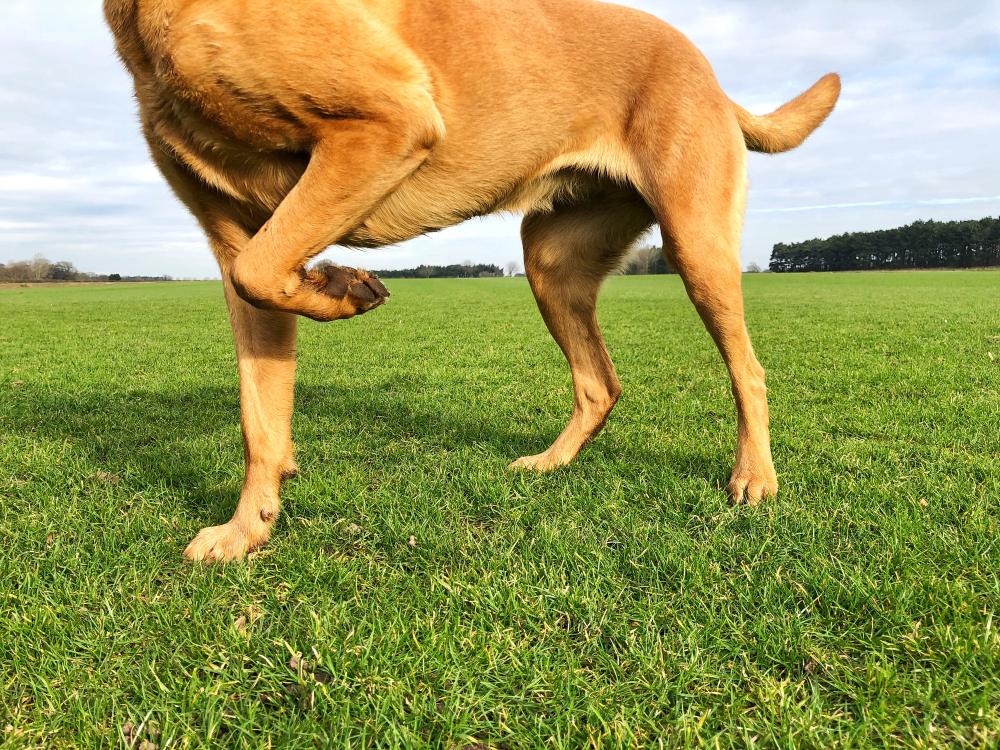
There’s a special kind of joy pet parents experience when watching their dogs running full tilt through an open green space—ears flapping and paws pounding the ground in perfect rhythm. But sometimes, the grand finale of that backyard sprint or trail adventure is a dog limping after running.
While not every limp is an emergency, it’s never something to ignore. In this blog, our team takes a closer look at dog leg injury symptoms to help you spot the difference between a temporary hitch or an injury that needs attention.
Why is My Dog Limping After Exercise?
A dog limping after running often points to a strain or overuse injury, especially during high-energy summer days when playtime stretches a little longer than usual.
Common causes include:
- Muscle strains or sprains
- Minor paw injuries (like small cuts or embedded debris)
- Overexertion, especially in dogs who aren’t conditioned for long runs
- Joint stress, particularly in older dogs
Dog Leg Injury Symptoms to Watch For
Not all limps are created equal. Some dog leg injury symptoms are the canine version of “leg day regret.” Others suggest it’s time to move from watchful waiting to veterinary care:
- Persistent limping lasting more than 24-48 hours
- Swelling in a limb or joint
- Whining, reluctance to move, or sensitivity to touch
- Refusal to bear weight on a leg
- Changes in behavior, like decreased appetite or energy
Soft Tissue Injury in Dogs: The Usual Suspect
Many exercise-related limps are due to a soft tissue injury dog owners commonly see—think strains, sprains, or minor ligament issues. Soft tissue injuries may not be visible from the outside, but they can still cause real discomfort.
These injuries can happen when:
- A dog twists a leg while chasing a ball
- They land awkwardly after a jump
- They push past their limits during extended play
What to Do at Home
If the limp is mild and your dog is still putting some weight on the leg, you can start with a few simple steps:
- Rest: Limit activity for a few days—no running, jumping, or rough play.
- Leash walks only: Keep movement controlled and brief.
- Check the paw: Look for cuts, thorns, or debris.
- Do not treat with human medications: These can be harmful to dogs.
When to See Your Veterinarian
If the limp persists, worsens, or appears suddenly severe, it’s time to consult a professional. Our experienced team at Bowman Veterinary Hospital can evaluate your dog, rule out fractures or ligament injuries, and recommend the right treatment plan.
Early care can prevent a minor issue from becoming a long-term problem.
Summer should be a season of joyful sprints and sunlit adventures—not sidelined paws. If you have concerns about a dog limping after running, please reach out to us at (530) 823-6306.